Hi-Vis Clothing Guide: Classes, Standards & UK Law
What the colours and classes mean, the EN ISO 20471 standard, and when high-visibility clothing is a legal requirement on UK sites and roads.
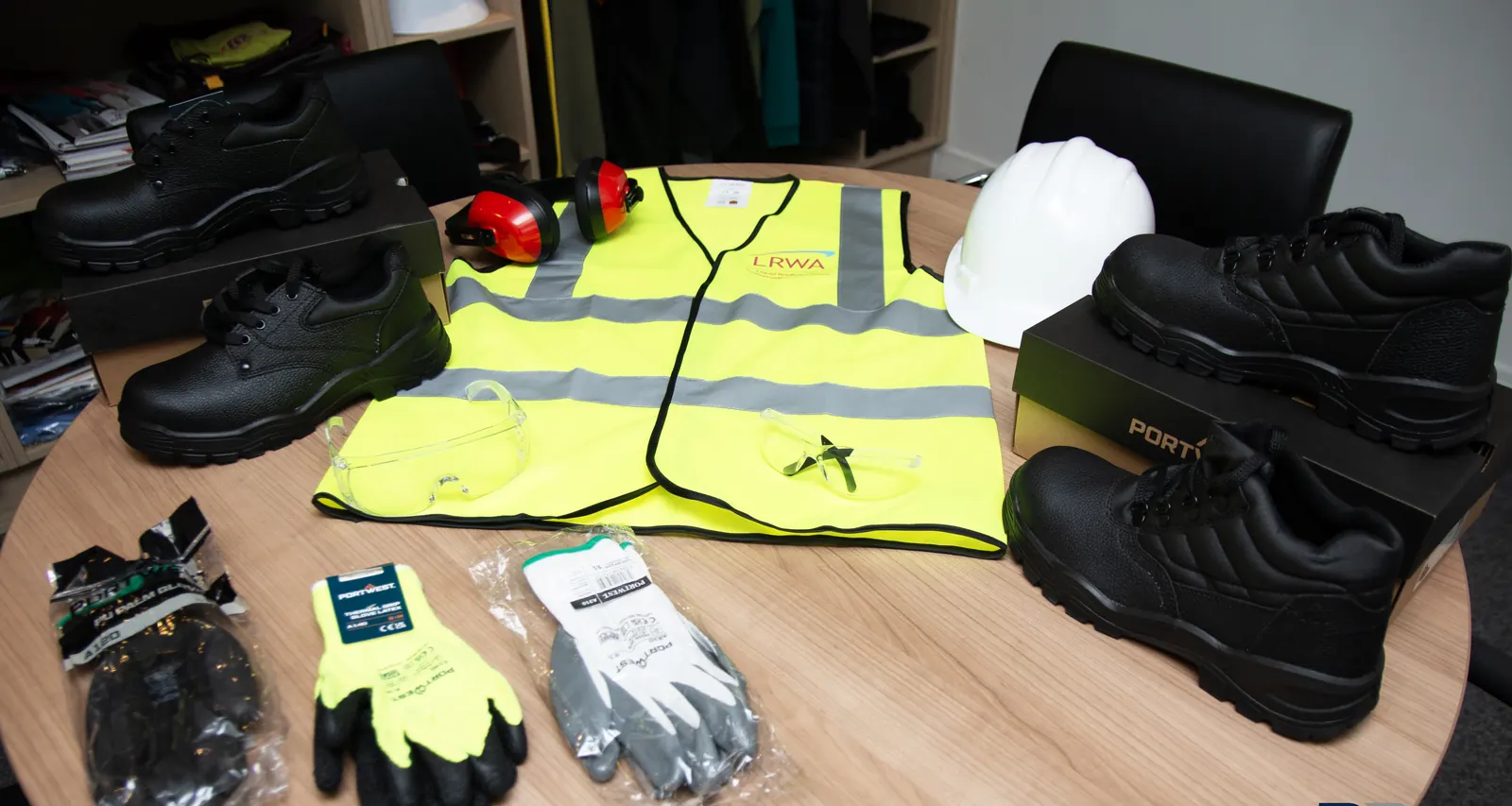
High-visibility clothing, or hi-vis, is workwear made from bright fluorescent fabric and reflective tape that makes the wearer easy to see in daylight and in headlights at night. It is one of the most common types of safety workwear on UK sites and roads.
This guide explains what the colours mean, how the three hi-vis classes work, the EN ISO 20471 standard behind them, and when high-visibility clothing is actually a legal requirement at work.
BR Apparel is a Bradford-based workwear supplier. We supply and brand certified hi-vis for construction, logistics and roadside teams across Bradford and West Yorkshire.
What the Hi-Vis Colours Mean
The colour is mostly about where the clothing is worn and which team the wearer belongs to. Under the standard, only three background colours are recognised as certified hi-vis.
Fluorescent Yellow
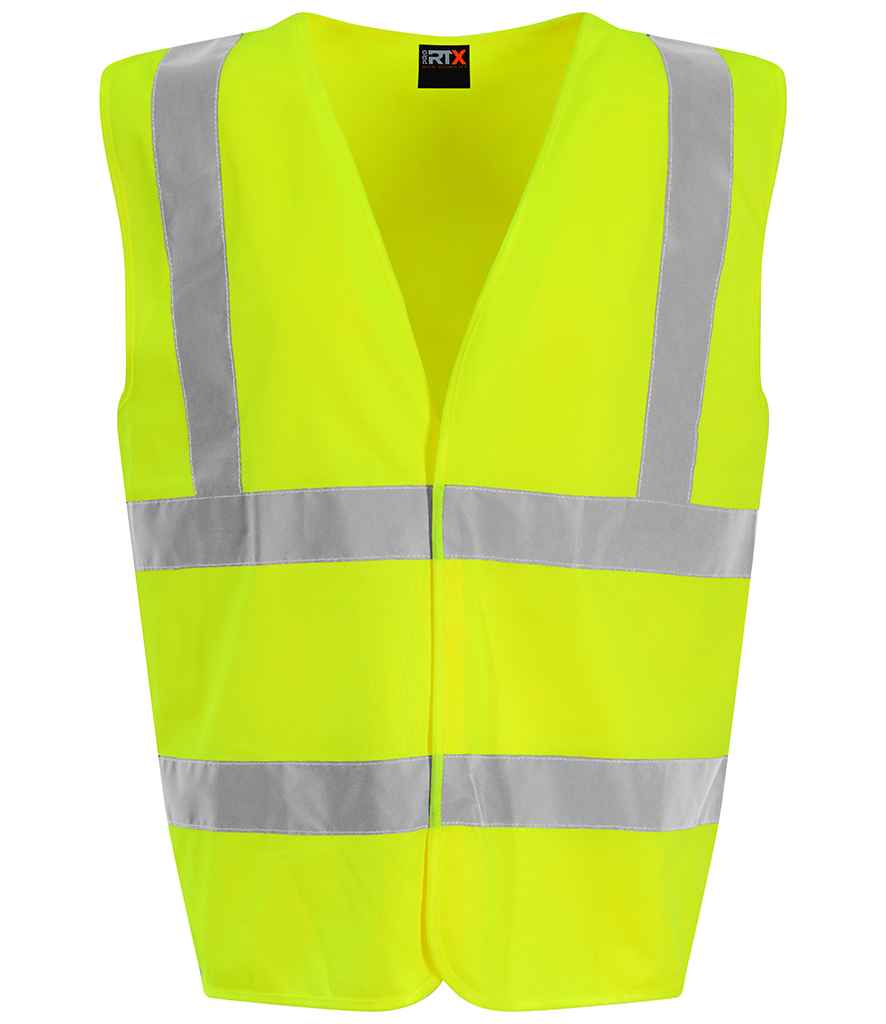
The everyday hi-vis colour. You will see it on construction sites, in warehouses and on general groundwork, because it gives strong contrast in daylight.
Fluorescent Orange
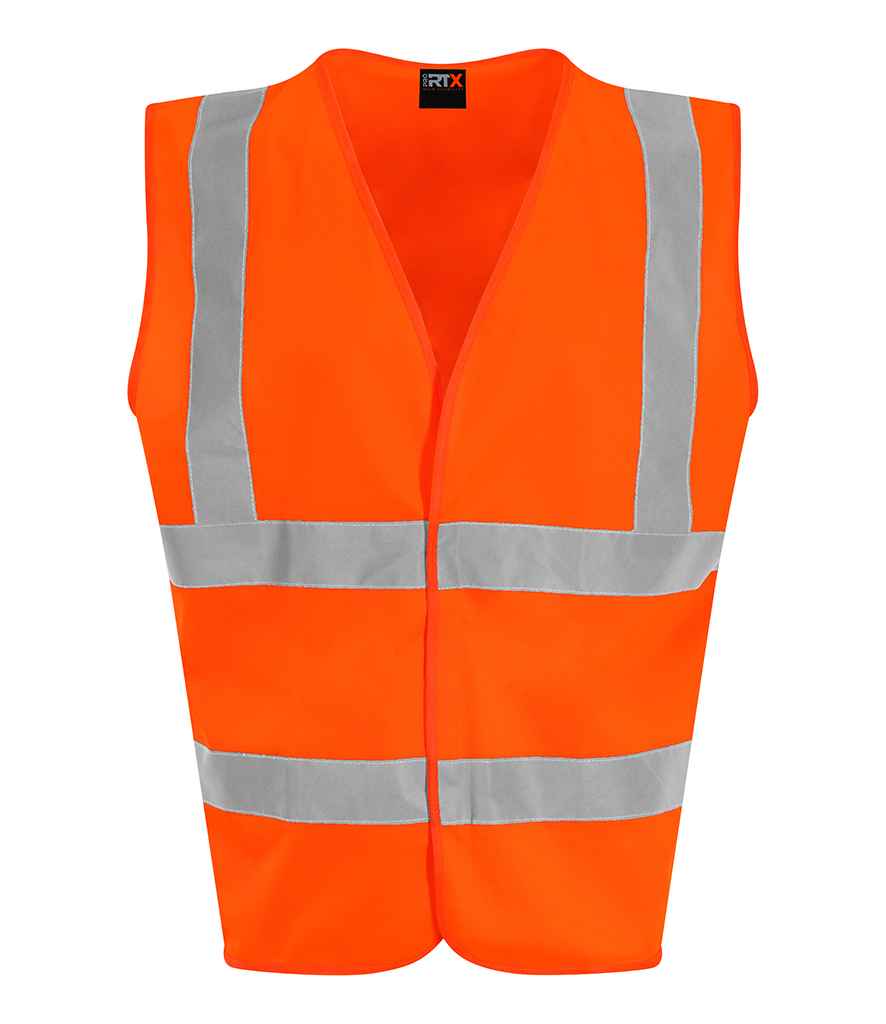
Standard on the railway and common on highways and motorway maintenance. Network Rail requires orange hi-vis to its own railway standard.
Fluorescent Red
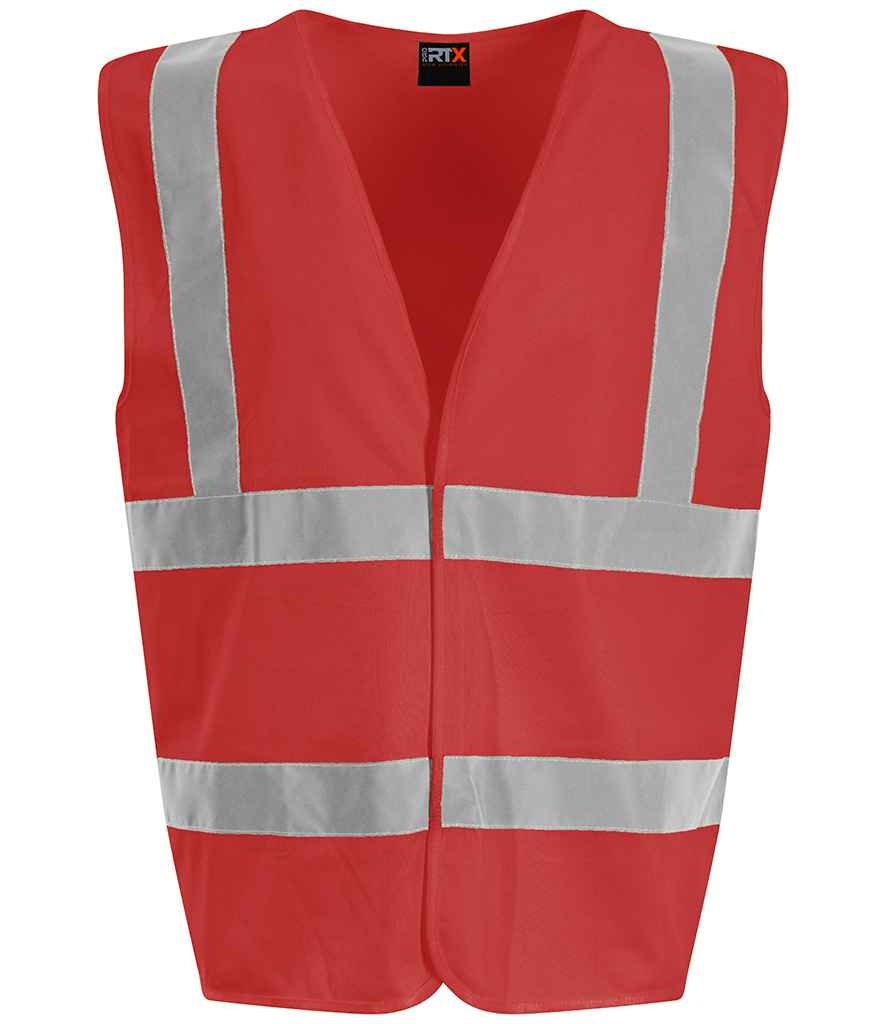
Sometimes used to pick out a particular role, such as a supervisor, fire marshal or first aider, so they stand out from the rest of the team.
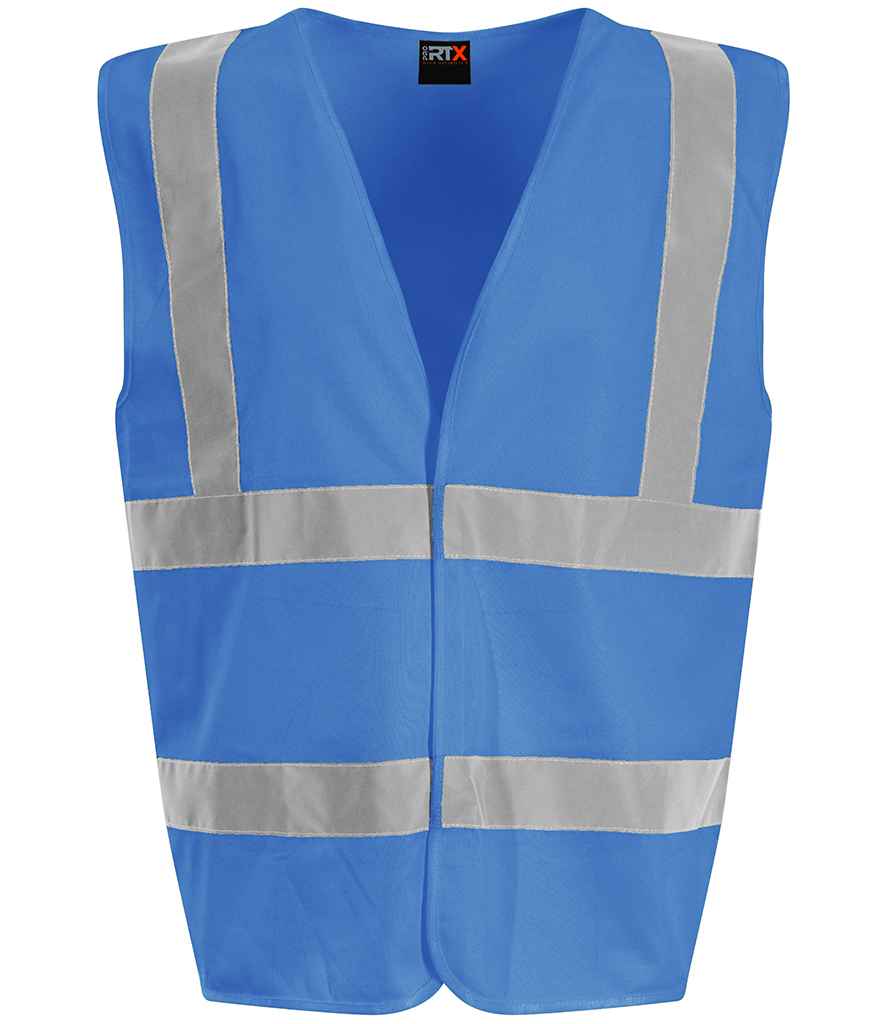
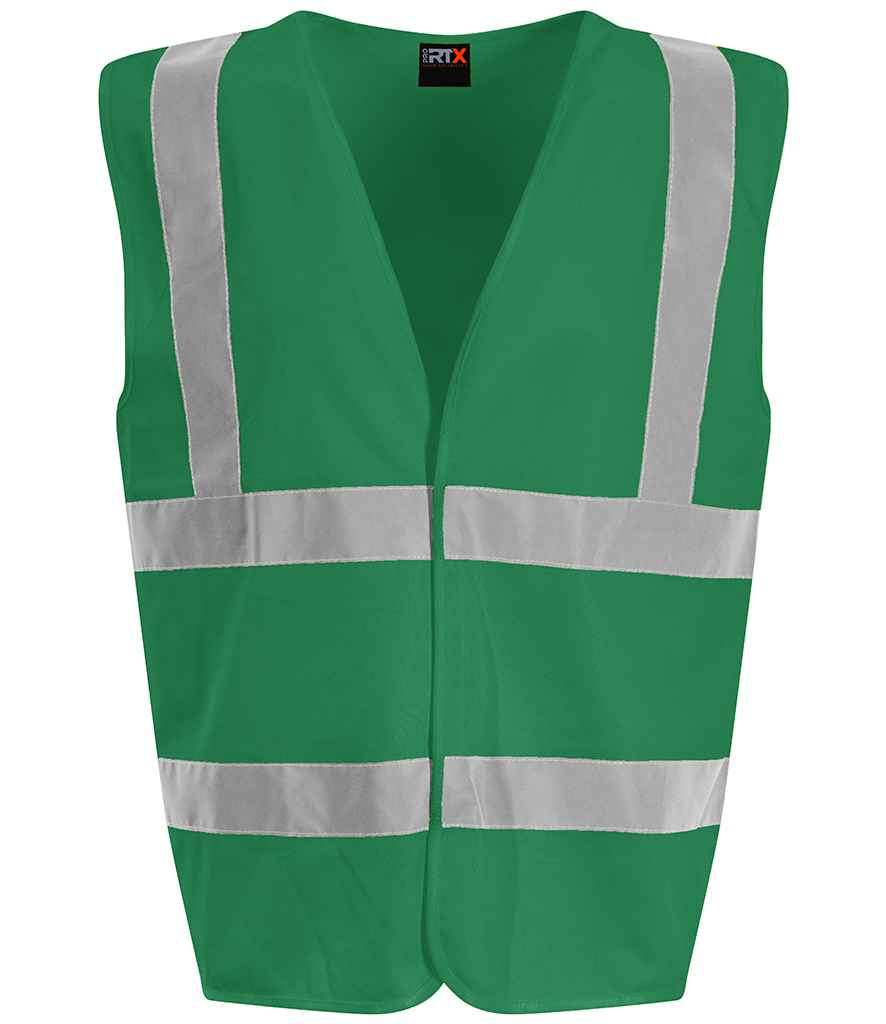
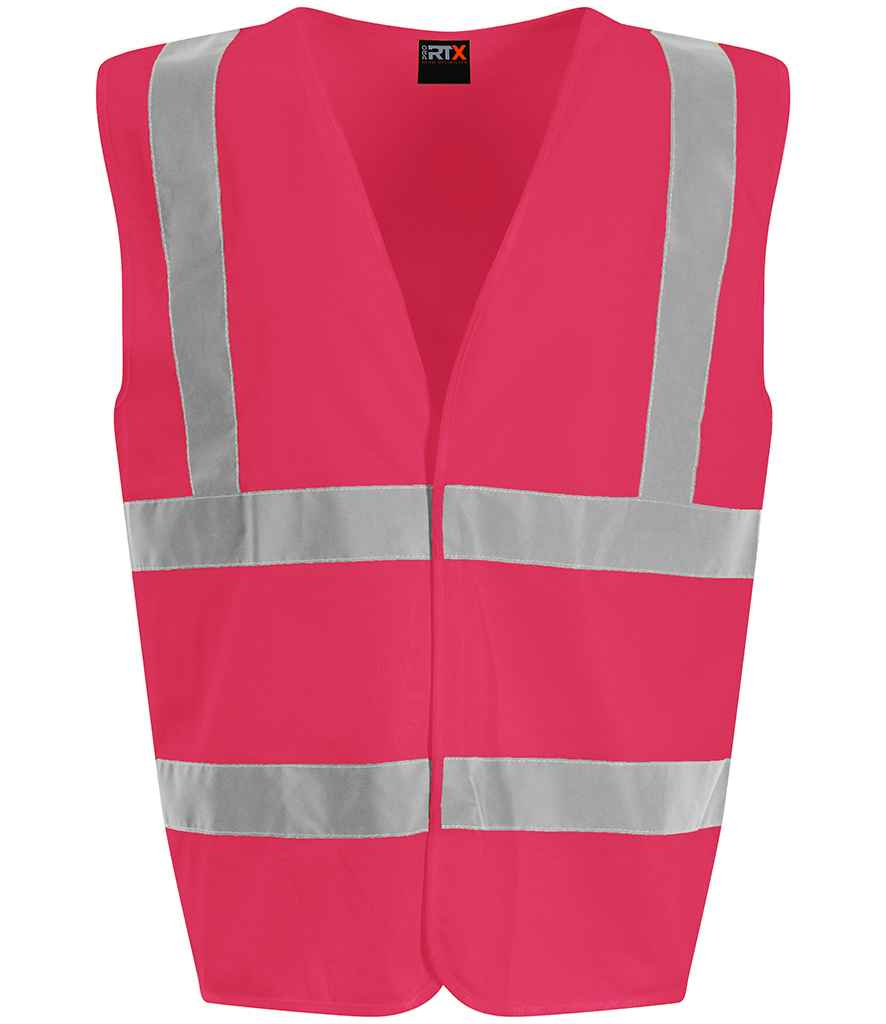
Other Colours
Blue, green and pink are used for team or company identification only. Just yellow, orange-red and red count as certified colours under EN ISO 20471.
Hi-Vis Classes 1, 2 and 3 Explained
Hi-vis is split into three classes. The class is set by how much fluorescent background fabric and reflective tape a garment carries, so the higher the class, the more visible the wearer. The figures below are the guide minimum areas under EN ISO 20471.
- Class 1Lowest visibility
The smallest amount of material, for lower-risk areas away from fast-moving traffic.
- Typical garments
- Usually trousers, shorts or gaiters rather than an upper-body garment.
- Where it is used
- Car parks, yards and some indoor roles.
- Fluorescent
- 0.14 m²
- Reflective
- 0.10 m²
- Class 2Mid visibility
The level most site visitors, surveyors, delivery drivers and roadside workers need.
- Typical garments
- Typically a waistcoat or vest.
- Where it is used
- Warehouses with vehicle movement, A-roads and active sites.
- Fluorescent
- 0.50 m²
- Reflective
- 0.13 m²
- Class 3Highest visibility
The most material, for high-speed roads, night work and poor visibility. It must cover the torso and have sleeves or full-length trousers with reflective bands.
- Typical garments
- Usually a long-sleeved jacket or coverall.
- Where it is used
- Motorways, high-speed dual carriageways and low-light work.
- Fluorescent
- 0.80 m²
- Reflective
- 0.20 m²
Garments can be combined. A Class 2 vest worn with Class 1 trousers can together meet Class 3, as long as both are certified and worn at the same time.
The Standard: EN ISO 20471
EN ISO 20471 is the British and European standard for high-visibility clothing. It replaced the older EN 471 standard in 2013 and is what tells you a garment is genuine certified hi-vis.
How to spot it
A certified garment carries the EN ISO 20471 mark, a small pictogram of a person with the class number beneath it, and a CE or UKCA mark on the label.
What it tests
It sets the three classes by area of fluorescent fabric and reflective tape, and checks the materials for colour, brightness and how well they hold up to washing.
Washing and replacement
Every garment is tested to a maximum number of wash cycles, shown on the label, often 25 or 50. Past that point, or once the fabric fades or the tape cracks, it no longer meets its class and should be replaced.
When Is Hi-Vis a Legal Requirement?
There is no single UK law that says everyone must wear hi-vis. Whether it is required comes down to a risk assessment.
Under the Health and Safety at Work etc. Act 1974 and the Management of Health and Safety at Work Regulations 1999, employers must assess the risks to their staff. Where that assessment shows people need to be seen, for example near moving vehicles, plant or in poor light, hi-vis becomes necessary.
The Personal Protective Equipment at Work Regulations 1992, amended in 2022, then require the employer to provide suitable hi-vis free of charge, keep it in good condition and make sure it is worn. The 2022 update extended these duties to cover more casual and contract workers, not just permanent employees.
Sectors with set rules on top of this
Highways and street works
Anyone working on or near a live road must wear hi-vis to EN ISO 20471, Class 2 as a minimum and Class 3 on motorways and high-speed dual carriageways (Chapter 8 of the Traffic Signs Manual).
Railways
Network Rail requires orange hi-vis to its own railway standard for anyone on or near the line.
Construction sites
Most main contractors make Class 2 or 3 hi-vis mandatory across the whole site as part of their own rules and CDM duties.
Warehousing and logistics
Hi-vis is normally required wherever forklifts, HGVs or other vehicles share space with people on foot.
A simple rule of thumb
If a worker could be struck by a moving vehicle, or struggles to be seen, treat hi-vis as required and let the risk assessment set the class. If you are unsure, the HSE and your own risk assessment are the place to confirm what your team needs.
Choosing the Right Class for the Job
Match the class to the environment and the traffic around your team. Where a site sets its own rules, follow those, as they are often stricter than the legal minimum.
- Car parks, yards and lower-risk indoor areasClass 1 or 2
- Warehouses with forklift and HGV movementClass 2
- Active construction sitesClass 2 or 3 (check the site rules)
- A-roads and urban roadworkClass 2 minimum
- Motorways, high-speed roads, night and poor visibilityClass 3
- Railway workOrange, to the railway standard
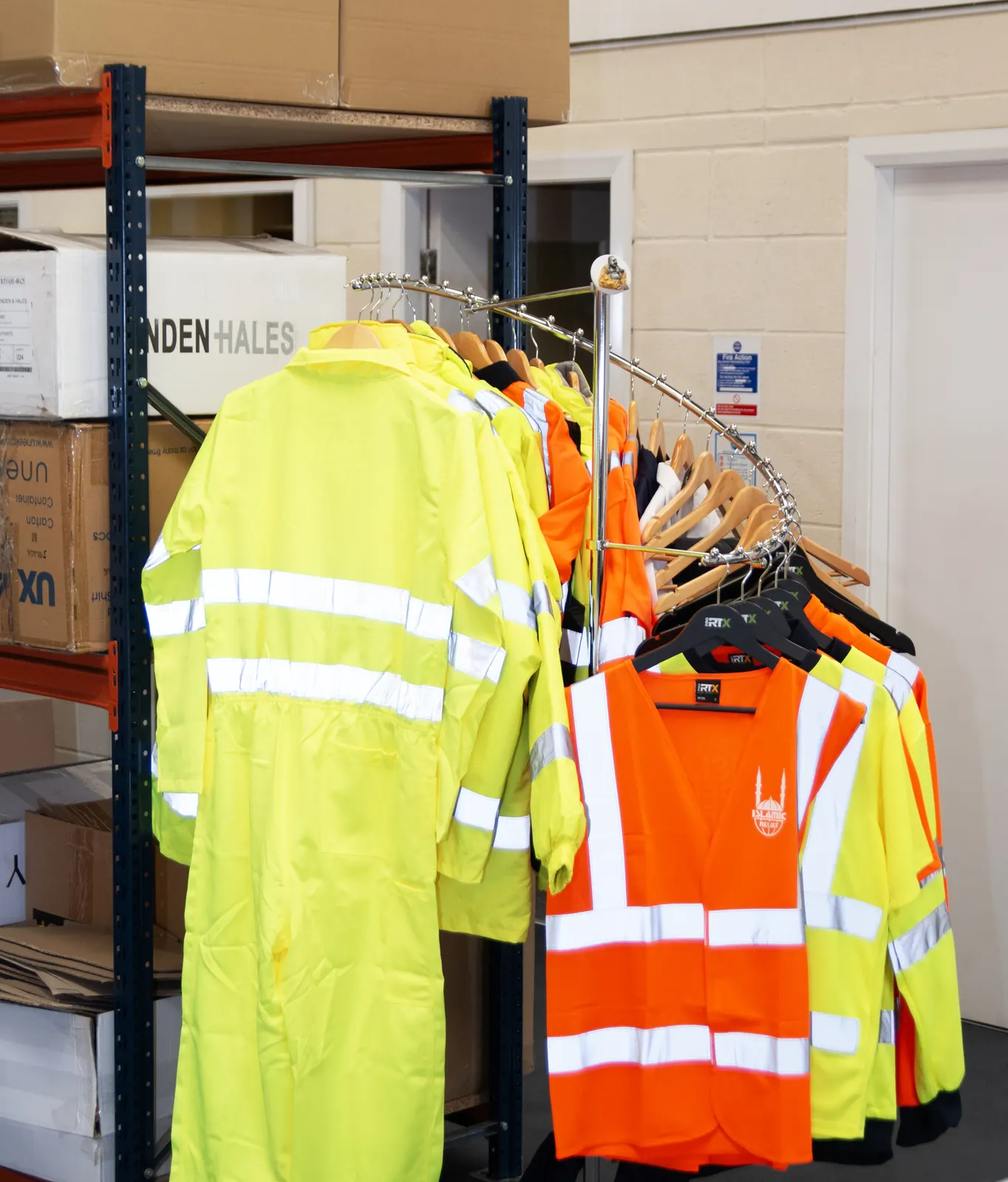
Adding Your Logo Without Losing Compliance
You can brand hi-vis with your company logo, but the branding must not cut the visible area of fluorescent fabric or reflective tape below the minimum for its class. In practice that means keeping logos to the chest and back panel, at a sensible size, and away from the reflective bands.
We add logos to hi-vis using embroidery and heat-applied transfers, placed so the garment keeps its certification. Not sure which finish suits your kit? See our embroidery vs printed logos guide.
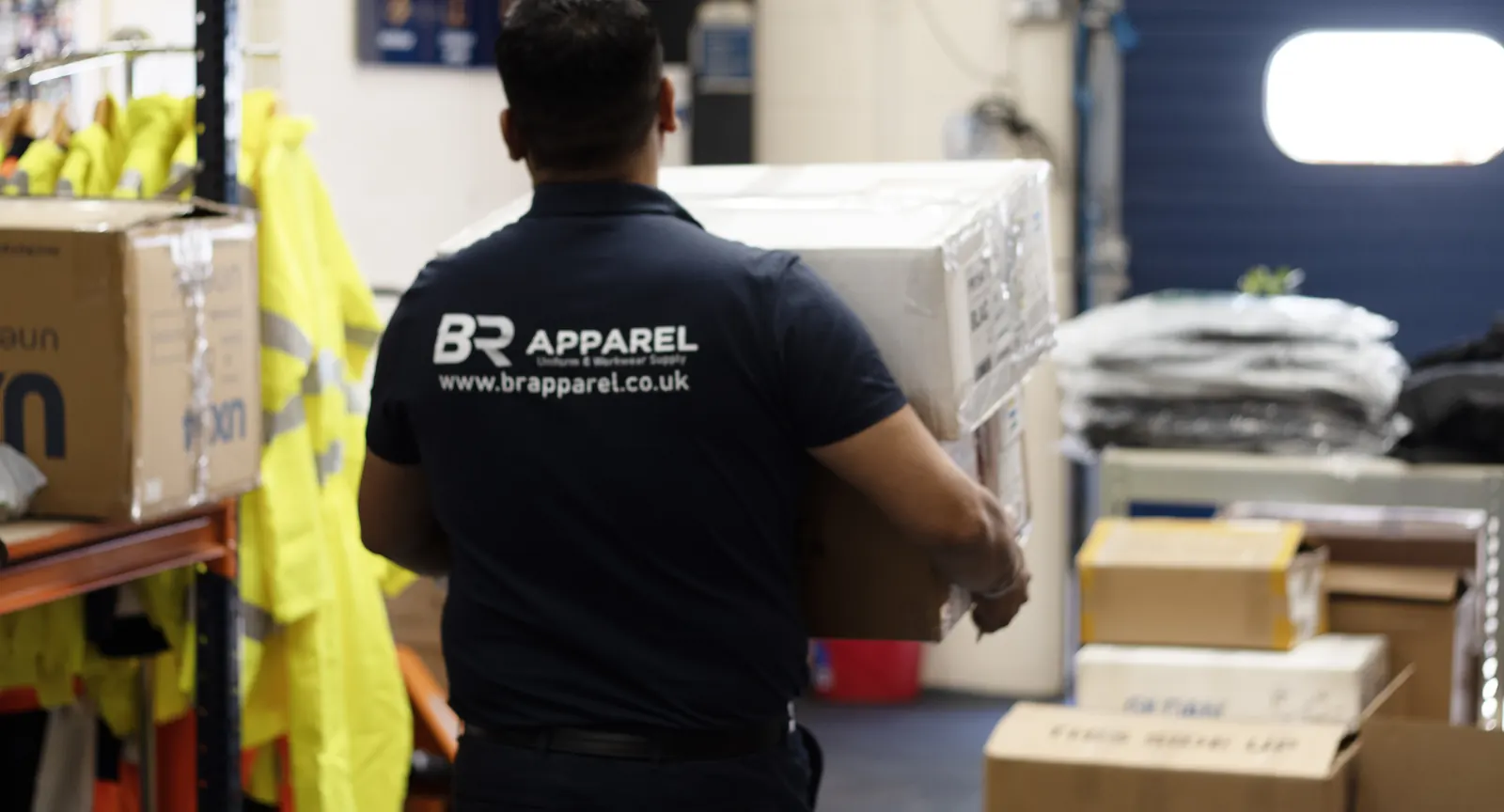
BR Apparel supplies and brands certified hi-vis for construction and logistics and warehouse teams across Bradford and West Yorkshire.
Need Branded Hi-Vis
for Your Team?
Tell us your roles and quantities and we will supply certified hi-vis in the right class, branded with your logo, with a quote back within 24 hours.
Get a QuoteHi-Vis Clothing FAQs
Common questions on hi-vis colours, classes, the law and branding.
- Fluorescent yellow is the everyday colour for construction, logistics and general site work. Orange is standard on railways and motorway maintenance. Red is sometimes used to pick out a supervisor or marshal. Only yellow, orange-red and red are recognised under EN ISO 20471, so colours such as blue or pink are for team identification rather than certified safety wear.
- The class is set by how much fluorescent fabric and reflective tape a garment has. Class 1 is the lowest and is usually trousers or accessories, Class 2 is a vest or waistcoat for general roadside and site work, and Class 3 is the highest, covering the torso with sleeves or full-length trousers for motorways, night work and poor visibility.
- There is no single law that requires everyone to wear hi-vis. It becomes a legal requirement when a workplace risk assessment shows staff need to be seen, for example near moving vehicles or in poor light. The employer must then provide suitable hi-vis free of charge under the Personal Protective Equipment at Work Regulations.
- EN ISO 20471 is the current British and European standard for high-visibility clothing, replacing the older EN 471. A garment that meets it carries the standard’s mark and a class number, and has been tested for colour, brightness and how well it survives washing.
- Yes, as long as the branding does not reduce the visible fluorescent and reflective area below the minimum for the garment’s class. We position logos on the chest and back panel, away from the reflective bands, so the garment keeps its certification.
- Every certified garment is tested to a maximum number of washes, shown on its label, often 25 or 50. Replace hi-vis once it passes that point, or sooner if the fabric has faded or the reflective tape is cracked or peeling, because it no longer meets its class.