Care Home Uniform Supplier
Branded uniforms for every role in the building, colour coded so a resident, a relative or a visiting nurse can tell who is who without reading a badge.
Identification First, Branding Second
In most of the businesses we supply, a uniform is there to make a team look like one company. In a care home it has a job to do before that one. A resident, a relative visiting for the first time, or a district nurse walking in has to be able to tell a carer from a cleaner from a kitchen assistant, and they have to do it from across a lounge, without reading anything.
Everything we supply is branded at our own unit in Bradford, embroidery included, and has been since 2013. The customers are care homes, nursing homes, supported living services and domiciliary care providers, most of them within an hour of us across West Yorkshire.
The part that takes the time is not choosing tunics. It is agreeing which role wears which colour, and then holding that specification steady through two years of people joining and leaving, so the home still looks like one organisation rather than an archive of everything it has ever ordered.
Nine Roles, and Who Needs to Tell Them Apart
There is no national colour standard in social care. NHS trusts set their own, private providers set their own, and no two homes we have supplied use the same scheme. That is worth knowing up front, because it means nobody is going to hand you the answer and the decision is genuinely yours to make.
This is the running order we use to make it. The second column is the one that decides the colours: not what the role does, but who has to tell it apart from what.
| Role | Needs to be told apart from | Typical garments | What to get right |
|---|---|---|---|
| Nurses and senior carers | Care assistants, so a resident or a relative can find the person who can answer a clinical question | Tunics, underscrub layers, care trousers | Usually the first colour decided and the one everything else is set against. Give it the strongest contrast in the palette. |
| Care assistants and support workers | Everyone, because they are the largest group and the most often approached | Tunics or polos, care trousers, fleeces | The highest volume and the highest turnover. Specify this one around replacement and re-ordering, not around the opening order. |
| Housekeeping and domestic | Care staff, so nobody asks a cleaner about medication | Tabards, tunics, polos | Frequently put in the same garment as care staff to save money. It is the change that undoes the whole point of colour coding. |
| Laundry | Housekeeping, because it is a separate infection control zone | Tabards, tunics, aprons | A small team that is almost always folded into housekeeping on the order and then has nothing of its own. |
| Kitchen and catering | Care staff, for food hygiene as much as for appearance | Chef wear, aprons, tabards, hats | Comes from a different range to the care floor. It should still carry the same logo, the same thread colours and the same placement. |
| Maintenance and grounds | Visitors and contractors, who look identical to them at a glance | Polos, fleeces, softshells, work trousers | The group most often left off the uniform list, and the one where an unbranded fleece causes an actual safeguarding question. |
| Activities and wellbeing | Clinical staff, because the point of the role is that it is not clinical | Polos, soft knit layers, aprons | Often given a spare care tunic. A deliberately warmer, less clinical garment does more for the role than any amount of signage. |
| Reception, admin and management | Care staff, for families arriving who need an office rather than a carer | Polos, knitwear, shirts, softshells | Small group, specified last, and the first uniform a family sees when they walk in to look round. |
| Agency and bank staff | Nobody, which is the problem | A held stock of the standard tunic in common sizes | They arrive in whatever the agency issued. Holding a small buffer of your own is the only thing that fixes it. |
Care floor garments mostly come from Onna by Premier, which is built around four-way stretch tunics, underscrubs and care trousers in a healthcare palette wide enough to colour code from. Kitchen and catering kit comes from the Premier range, and maintenance teams usually end up in Regatta outerwear. All three come branded to the same specification in one order.
Six Things Care Providers Tell Us Went Wrong
None of these are general uniform points. They come up in care conversations and almost nowhere else, and most of them are cheap to get right at the start and expensive to fix afterwards.
Bare below the elbows changes the garment
Most providers work to a bare below the elbows rule for personal care. That rules out cuffs, rules out anything with a sleeve that will not stay pushed up, and means a long-sleeved layer has to be genuinely removable rather than merely warm. It is the reason underscrub base layers exist, and the reason a normal long-sleeved polo is a poor fit for a care floor even though it looks like an obvious choice.
The ordering never stops
Care turns staff over faster than almost any sector we supply, so a care home is not placing a uniform order once a year, it is placing small ones continuously. Judge a supplier on what one replacement garment costs and how long it takes, not on the opening quote. Our minimum is 6 per design for embroidery and 10 for print, and once we hold your artwork there is no minimum on re-orders at all.
Agency staff undo the colour coding
A home can specify nine roles perfectly and still have three people on shift in whatever their agency issued. Nothing about the garment fixes that. What does is keeping a small buffer of your own tunics in the common sizes, which we can hold on a re-order file so topping it up is a five minute job rather than a new specification.
Nobody sets the colours early enough
Colour coding is the cheapest decision to make and the most expensive to reverse, because reversing it means replacing every garment in the building at once rather than as staff change. It is worth an hour at the start, before quantities, sizes or logos are discussed at all.
A name badge is not read from four feet away
Residents living with dementia, and relatives visiting for the first time, work out who to approach from what somebody is wearing long before they read anything pinned to it. That is the argument for colour and for an embroidered first name on the garment itself, which is standard practice in dementia care and costs very little to add.
The building is warmer than the staff are dressed for
Care homes are kept warm for residents, and staff move between warm lounges, cold corridors and an outside courtyard across one shift. If the uniform does not include a layer, staff buy their own, and within a year a third of the team is in a different fleece. Specify the layer at the start and it stays a uniform.
Specify Around Your Infection Control Policy
Care uniforms get washed hotter and more often than anything else we supply, and the policy that drives it is written before the uniform is chosen rather than after. Reading it first changes the fabric, the colours and the branding method, and it is the step most often skipped.
- Care infection control policies commonly specify a hot wash, often 60 degrees, so check yours before choosing colours and fabrics rather than after
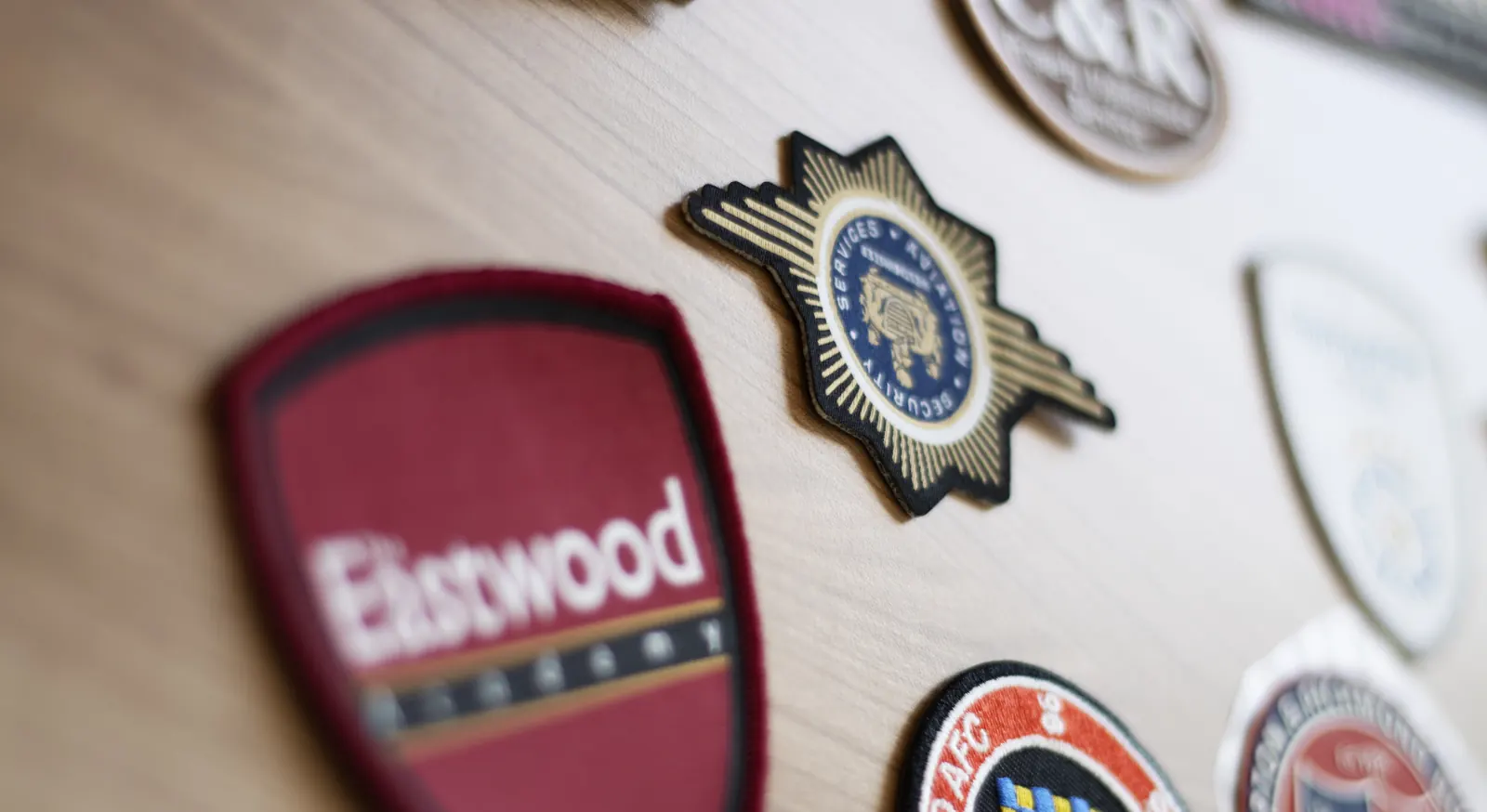
- Embroidery holds up to repeated hot washing better than a printed transfer, which is why we default to stitching on anything worn for personal care
- Polyester-rich and stretch fabrics keep colour and shape through hot washing better than heavy cotton does
- What actually shortens the life of a care uniform is repeated high-heat tumble drying rather than the wash itself, and that is worth saying to whoever runs the laundry
- Pale colours look right in a care setting and are the hardest to keep looking right, so if a role is going in white or a light shade, budget for replacing it more often
- If uniforms go home with staff rather than through the home laundry, the wash you have specified for is not the wash they will get, and the garment choice should reflect that
We supply garments for the provider to own, and we do not launder anything. Where a home is weighing that against a weekly rental contract that bundles laundering in, our rental versus buying comparison works both sides over three years, and is straight about where a certified laundry is the right answer instead of us.
First Names on the Garment
Embroidering a member of staff’s first name under the logo is standard practice in dementia care, and it is the single cheapest thing on this page. A name stitched into a tunic is legible at conversational distance and it does not turn round, fall off, or end up in a pocket, which are the three normal fates of a pinned badge.
It does change what an order is, though, and it is worth understanding before you commit. A logo is digitised once and stitched identically onto every garment. A name makes each garment an individual item. We handle that by holding the logo file and adding the name per garment, so a single tunic for somebody starting on Monday is a small job rather than a fresh setup, and it comes back matching what is already on the floor.
Where it sits, and how large, is a decision worth making once and recording. A tunic is read from further away than a polo and has a V-neck and a seam in the way, so the position that looks right on a polo is rarely the position that works here. Our logo placement guide covers the sizes and positions in detail, and there is a floor below which stitching cannot hold a letter, which is exactly the trap a long surname walks into.
How We Work With Care Providers
Production is at Unit 2 Great Russell Court, Fieldhead Business Centre, BD7 1JZ. We supply homes across Leeds, Huddersfield, Dewsbury and Batley and Halifax, and normally deliver by next-day courier once an order is produced.
Providers running several homes can order through a private ordering portal set to the agreed garment list, which stops individual managers quietly substituting a cheaper tunic and puts the spend in one place. There is no charge for it.
- Minimum order, embroidery6 per design
- Minimum order, print10 per design
- Minimum on re-ordersNone
- Turnaround from artwork approval4-5 working days
- Quote returned within24 hours
- One-off logo digitising£15
For what the garments cost per unit see the uniform pricing guide, and for how the embroidery itself is run see embroidery in Bradford.
Send Us the Roles
and the Numbers
Tell us the roles you need to dress and roughly how many in each, and whether you have settled on colours yet. We will come back inside 24 hours with garments, a colour scheme you can argue with, and a cost per person.
Request a QuoteCare Home Uniform FAQs
Common questions from care homes, nursing homes and providers specifying uniforms across several roles.
- There is no national colour standard in social care, so this is genuinely your decision rather than one somebody hands you. NHS trusts set their own schemes and private providers set their own, and no two homes we have supplied use the same one. What matters is contrast between roles a resident or a relative might confuse: nurses against care assistants, care against housekeeping, kitchen against everybody. Decide it before quantities, because reversing a colour scheme means replacing every garment at once rather than as staff change.
- Care garments are chosen on the assumption that they will be washed hot and washed often, and embroidery copes with that better than a printed transfer does, which is why we stitch anything worn for personal care. Polyester-rich and stretch fabrics hold their colour and shape through it better than heavy cotton. The thing that shortens the life of a care uniform is usually repeated high-heat tumble drying rather than the wash itself. Check the figures in your own infection control policy before ordering, because they differ between providers and can rule out a colour.
- Yes, and more than people expect. It rules out cuffs, it rules out any sleeve that will not stay pushed above the elbow, and it means warmth has to come from a layer that genuinely comes off rather than one that is merely light. That is why underscrub base layers exist as a category, and why a long-sleeved polo, which looks like the obvious cheap option, tends to be the wrong one for a care floor.
- Yes, and in dementia care we would ask about it without being prompted. A stitched first name is readable at conversational distance and cannot turn round or come off, which pinned badges reliably do. The logo is digitised once and held on file, and the name is added per garment underneath it, so the only variable part is the name. That keeps the cost down and means one tunic for somebody starting next week is a normal order.
- Nothing about the garment solves it, so the answer is stock rather than specification. Agency staff turn up in whatever their agency issued, and a home can have colour coded nine roles perfectly and still have three people on shift outside the scheme. Keeping a small buffer of your own tunics in the common sizes is the fix. We hold your design on file, so topping that buffer back up is a short re-order rather than a new conversation.
- Six garments per design for embroidery and ten for print, and sizes, colours and styles can be mixed inside that. The figure that matters far more in care is the re-order minimum, which is none at all once your artwork is with us. Turnover in care is high enough that ordering is more or less continuous, so a single replacement tunic has to be a routine order rather than an awkward favour, and it comes back matching the ones already in the building.
- The care floor mostly comes from Onna by Premier, which is a healthcare range built on four-way stretch tunics, underscrubs and care trousers in a palette wide enough to colour code from, with ladies fits across half the range. Kitchen and catering kit comes from Premier, and maintenance and grounds teams usually end up in Regatta outerwear. Mixing ranges in a single order is normal and does not slow anything down, because all of it is branded here.
- Yes, and the difficulty across several homes is consistency rather than supply. We agree one garment list per role and hold it on file, then each home orders against it, either delivered individually or consolidated. A private ordering portal restricts managers to the approved range and puts the spend in one place, which is what stops four homes in a group ending up with four versions of the same tunic. There is no charge for the portal.