Article
Starting a clothing brand feels huge when you are staring at a blank page. The truth is it breaks down into a handful of clear steps, and most of the things people think they need at the start, they do not. Here is how it actually works.
1. Nail Your Concept Before You Spend a Penny
Before samples, before suppliers, get clear on three things: who it is for, what makes it different, and what it looks like. A brand is a point of view, not just a logo on a t-shirt. The tighter your niche, say oversized heavyweight tees for climbers, the easier everything else becomes.
2. Get Your Designs Production Ready
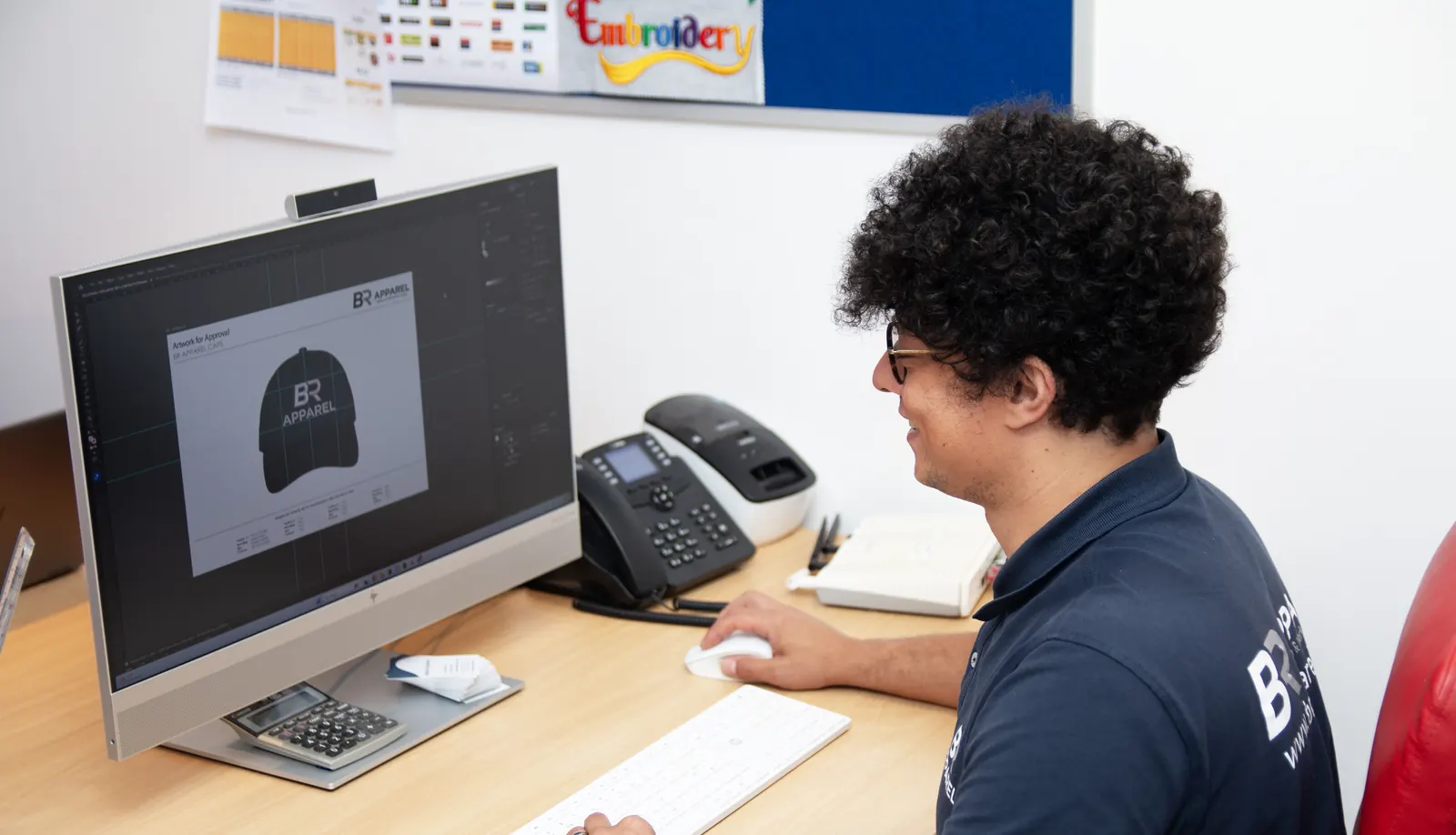
Your logo and artwork need to be in the right format to actually go onto a garment. A design that looks great on Instagram often will not translate straight to embroidery or print without being redrawn or digitised. This is where a manufacturer earns their keep. A good one will tell you what works and prepare your artwork properly.
3. Start With Samples, Not a Production Run
This is the single most important thing, and where most people go wrong: do not order 300 units of something you have never held. Order a small run of samples first. Feel the fabric weight, check the fit, see your branding in real life. Adjust, then commit to production. Samples cost a fraction of a full run and save you from expensive mistakes.
“Do not order 300 units of something you have never held.”
4. Choose the Right Blank and Weight
The garment underneath your brand matters more than people realise. GSM, or grams per square metre, tells you the weight. A 150gsm tee feels very different to a 240gsm one. Heavier usually feels more premium, which is why streetwear brands favour heavyweight blanks. Get samples in a few weights and feel the difference yourself. The ranges we supply list the weight of every style.
5. Make It Your Own With Labels and Finishing
The difference between a printed t-shirt and a real brand is the finishing: your own woven neck label instead of the blank supplier’s, printed care labels, and a swing tag. This is called relabelling, and it is what makes a garment unmistakably yours.
6. Decide How It Is Decorated
Embroidery, DTF and screen print each suit different designs. Bold graphics often screen print best, small logos suit embroidery, and complex full colour prints suit DTF. A manufacturer will guide you to the right method for your artwork.
7. Launch Small, Then Scale
You do not need a huge first drop. A small production run, sold through your own site or a pop up, proves demand before you commit serious money. Sell out of 50 before you order 500.
The Shortcut
You can piece all this together yourself across multiple suppliers, or work with a manufacturer who takes you through the whole journey. At BR Apparel we run a service that does exactly that: idea to finished, sellable product, with low minimum orders. If you have got an idea and do not know where to start, tell us what you are building.