Article
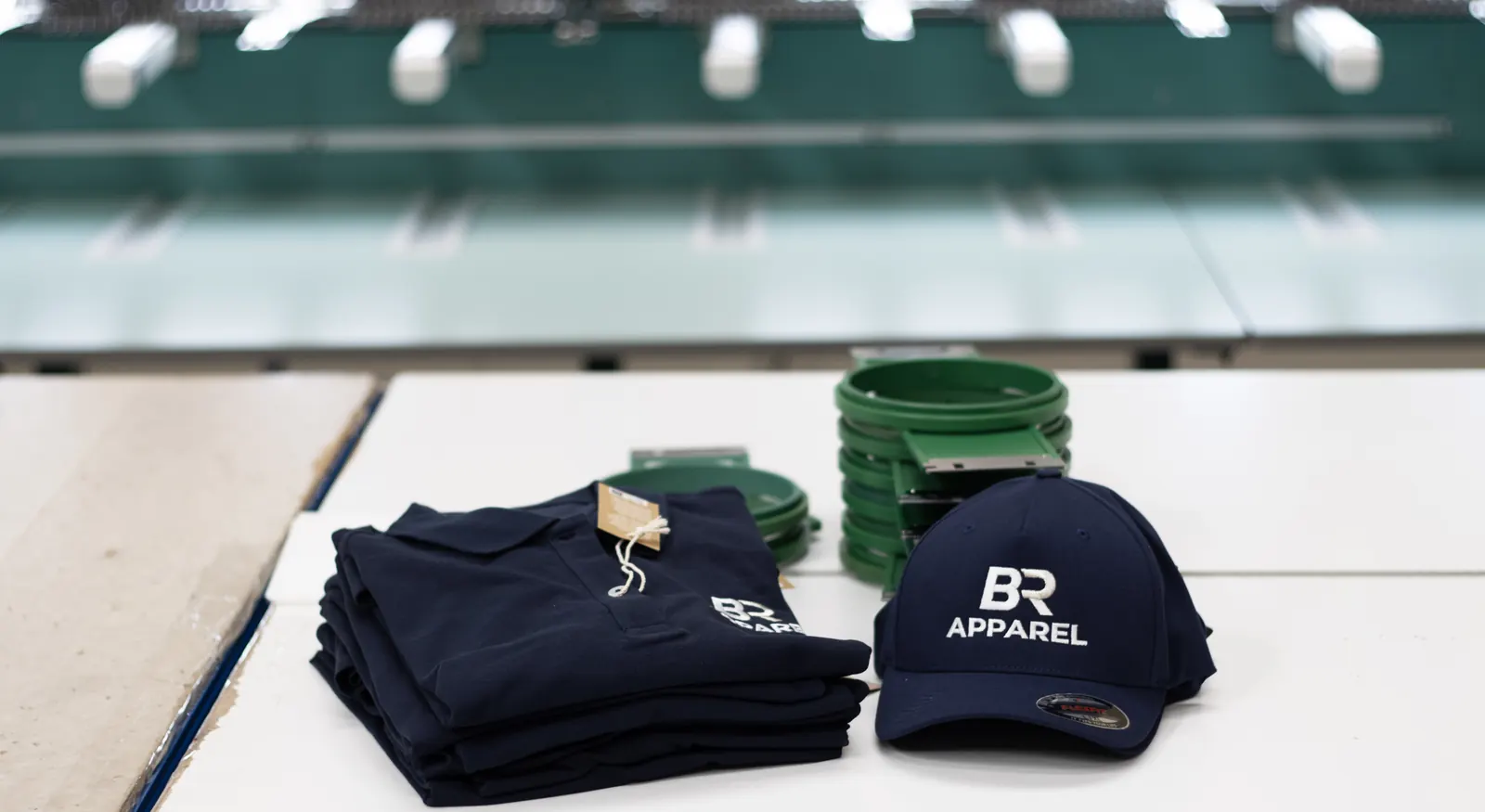
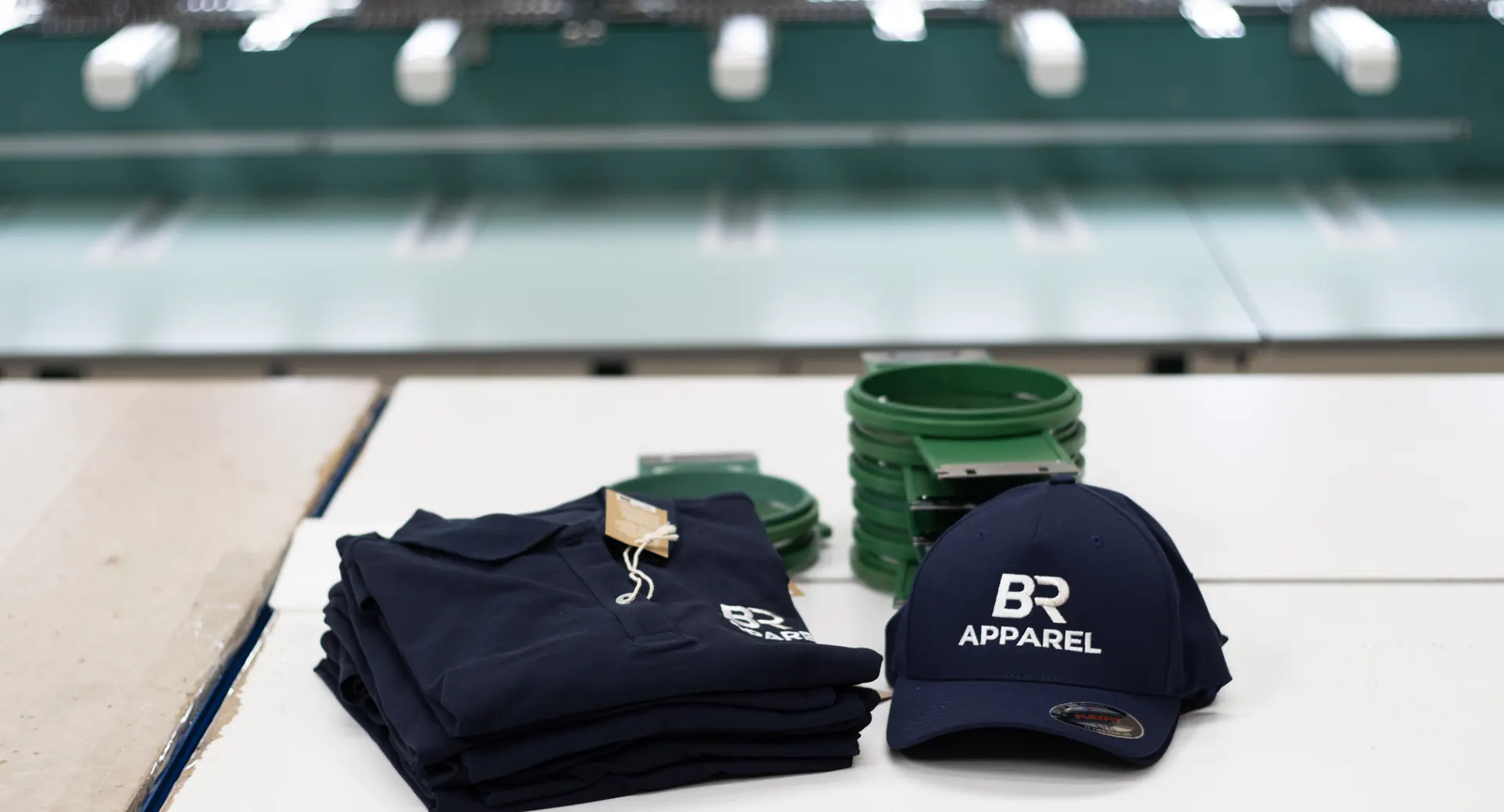
A swing ticket is the card tag attached to a new garment, and it is the first piece of your brand a customer reads, before they have looked at the neck label or tried anything on. It is the cheapest part of your brand, and it is what makes a garment read as retail rather than merchandise. That is why it is attached to every garment in an own label order.
Founders tend to leave it until last, as a detail. It deserves more thought than that, because it does several jobs at once.
What a swing ticket does
- It says the garment is new. A ticket on the garment tells the customer nobody has worn it, and it is what a shop expects to find when the stock arrives.
- It carries the brand when the garment is folded. On a table or a rail, the ticket is often the only branding a customer sees before they pick the garment up.
- It tells the story. The back of the ticket has room for a line about the brand, the fabric or why the garment exists.
- It carries the facts. Style, size, composition and a price or a barcode, in one place that a customer and a shop can both read.
- It finishes the unboxing. Online, the ticket is part of what the customer finds when they open the bag, and it is what separates a product from a printed blank.
What to put on it
Most brands keep the front to the logo and use the back for everything practical. A sensible back carries:
- The style name, so a customer can find it again or ask for it in another colour.
- The size, unless it is on a sticker. Every garment we finish is also bagged with a size sticker.
- The composition, exactly as the supplier lists it. An 85/15 blend is 85% organic cotton, and the ticket should say so.
- Your website or your social handle.
- A barcode or a price, if you sell through shops. More on that below.
- One line of story, if you have one worth telling. One line, not a paragraph.
Keep anything that changes off the printed ticket. A price printed on 100 tickets is a price you cannot change without new tickets, which is why many brands put the price on a sticker instead.
Composition and care: ticket or label?
The swing ticket is cut off and thrown away. Textile products sold in the UK must show their fibre composition, so it belongs on a label that stays in the garment, which is what the printed care label is for. It goes in alongside your woven brand label, with the wash instructions. Repeating the composition on the ticket is useful; relying on the ticket for it is not.
Barcodes, if you want stockists
If you plan to sell through shops, ask each one early whether it needs a barcode on the ticket, and what kind. Many retailers ask for barcodes issued through GS1 UK, the organisation that licenses barcode numbers in the UK, rather than numbers resold online. A barcode identifies one style in one colour in one size, so three styles in two colours and five sizes is thirty numbers.
Because every size and colour has its own number, the barcode usually goes on a sticker on the ticket rather than being printed on it. That way one ticket design covers the whole range. Settle it before the tickets are printed.
“It is the cheapest part of your brand, and the first part a customer reads.”
What it takes to make one
Swing tickets run at 100 per design, the same minimum as the woven labels, and they go into production as soon as your artwork is approved. They take 10 to 14 working days and run alongside the garments and the decoration rather than adding to the lead time. We confirm the tag size with the label folds and the print placement on the proof, and nothing goes into production until you approve it in writing.
On a first run of 25 you pay for 100 tickets. The spares are held at no cost and carried into your next run, and at 100 or more the labels and tickets drop into a lower band. Application is charged per garment, along with relabelling and bagging.
Keep it to one design
One ticket design across every style keeps you to one run of 100, which covers this drop and the next. A different ticket for every product looks considered on paper and multiplies the minimum. Put the style and the size on a sticker, and the same ticket works on a 180gsm tee and a 350gsm hoodie alike.
Where to go next
The swing ticket is one part of the finishing package on the own label page, with the woven labels and care labels. Why the supplier label has to come out first is in the neck label problem, and the fold choice for your woven label is in how woven label folds work. For the garments themselves, start with the hoodies. When you are ready, get your first drop quoted.